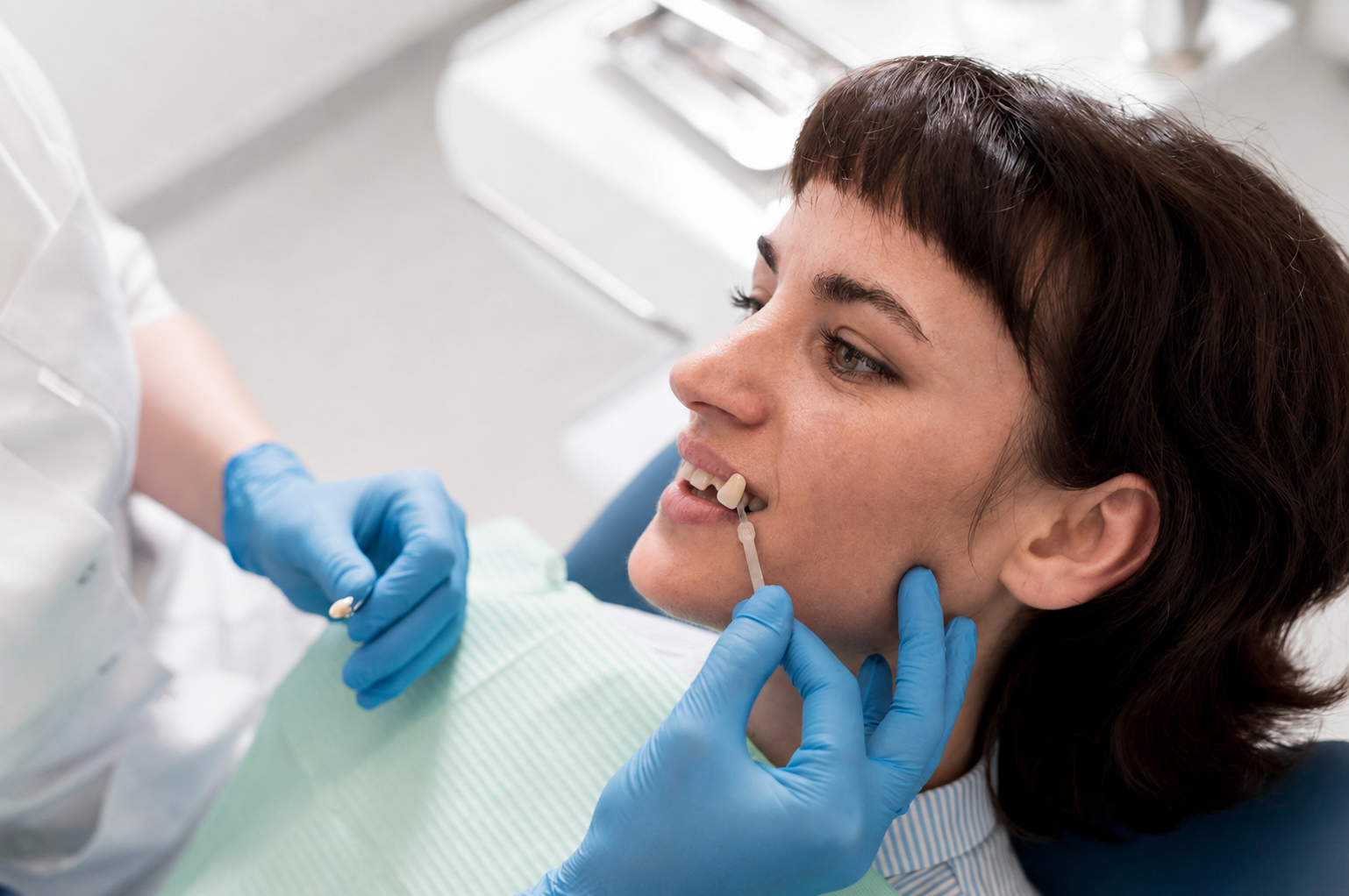
What Is Bruxism?
Bruxism is the involuntary clenching or grinding of the teeth. Sleep bruxism happens during sleep. Awake bruxism happens during the day, often as jaw clenching while you concentrate or feel stressed.
Bruxism is common. A systematic review estimated that around 13% of adults have sleep bruxism, and it can also affect children (Manfredini et al., 2013). Occasional grinding without symptoms is considered normal. Bruxism becomes a problem only when it happens often or forcefully enough to cause pain or damage.
In short: grinding becomes a dental concern when it causes symptoms, not simply when it happens.
What Are the Signs of Teeth Grinding at Night?
The most common signs of night-time teeth grinding are jaw soreness on waking, dull headaches around the temples, and teeth that look worn or feel sensitive. Because sleep bruxism happens while you’re asleep, many people first hear about it from a partner or their dentist.
- Jaw soreness or tightness, particularly first thing in the morning
- Dull headaches, especially around the temples
- Increased tooth sensitivity to hot or cold
- Flattened, chipped or worn-looking teeth
- A clicking or popping jaw, or difficulty opening your mouth comfortably
- A partner mentioning grinding noises while you sleep
If two or more of these signs sound familiar, mention them at your next dental check-up.
What Causes Teeth Grinding While You Sleep?
There is rarely one single cause of teeth grinding at night. Sleep bruxism usually comes from a combination of the factors below.
| Cause | How it contributes to grinding |
|---|---|
| Stress and anxiety | One of the most frequently reported triggers. A stressful week can show up as jaw tension overnight before you notice it in your mood. |
| Bite alignment | If the teeth don’t meet evenly, the jaw muscles may work harder than they need to, particularly during sleep. |
| Caffeine, alcohol and smoking | Caffeine, alcohol and smoking are associated with a higher likelihood of bruxism in some people. |
| Sleep disorders | Bruxism can occur alongside sleep disturbances such as obstructive sleep apnoea, so your dentist may ask about your sleep quality. |
| Some medications | Certain medications, including some antidepressants, can be linked to jaw clenching. Talk to your GP before changing any medication. |
Identifying your likely causes helps your dentist recommend the right treatment.
Can Teeth Grinding Damage Your Teeth?
Yes. Regular teeth grinding can wear down enamel, increase tooth sensitivity and raise the risk of cracked teeth over time. Occasional grinding is usually not a concern, but frequent grinding can cause damage that goes unnoticed until it becomes serious.
- Tooth wear and sensitivity: enamel is worn away, exposing the more sensitive layer underneath.
- Cracks and chips: repeated force can fracture teeth or the edges of fillings.
- Shorter life for dental work: grinding puts extra stress on fillings, crowns, veneers and dental implants.
- Jaw pain: ongoing grinding can contribute to temporomandibular joint (TMJ) pain.
- Changes to your smile: worn, shortened teeth can alter how your smile looks.
This is why dentists often recommend a night guard after implants, crowns, veneers or teeth whitening.
How Do Dentists Treat Teeth Grinding?
Bruxism is very manageable once it’s diagnosed. During a check-up at Lifestyle Smiles, your dentist examines your teeth for wear patterns and talks with you about your symptoms, sleep and lifestyle. Depending on what they find, treatment may include one or more of the following.
- Custom-made night guard (occlusal splint). A night guard made to fit your mouth places a protective barrier between your teeth while you sleep.
- Bite review. If your bite is contributing to grinding, your dentist will assess the most appropriate treatment options.
- Changing contributing habits. Reducing caffeine and alcohol and building an evening wind-down routine can make a real difference for some people.
- Referral where appropriate. If stress, medication or a possible sleep disorder seems to be contributing, your dentist may recommend seeing your GP or another health professional.
A custom night guard protects your teeth while you work on the underlying causes.
How Can You Stop Grinding Your Teeth at Home?
Along with any treatment your dentist recommends, these everyday habits can reduce jaw strain from teeth grinding:
- Notice and relax your jaw during the day. The natural resting position is lips together, teeth gently apart.
- Wind down before bed with a warm face washer or a light jaw massage.
- Limit caffeine and alcohol in the evening.
- Keep up regular exercise and stress-management techniques that work for you.
- Wear your night guard every night if one is recommended. It only protects your teeth while you’re wearing it.
Home habits help, but they work best alongside a dental assessment.
Teeth Grinding FAQs
Is it normal to grind your teeth at night?
Occasional grinding is common and often harmless. Systematic reviews estimate that around 13% of adults have sleep bruxism. It becomes a problem when it happens often or forcefully enough to cause jaw pain, headaches, or tooth wear.
Can teeth grinding cause headaches?
Yes. Overnight clenching overworks the jaw and temple muscles, which can cause dull morning headaches, especially around the temples.
Does a night guard stop teeth grinding?
A night guard does not stop the grinding habit itself. Instead, it places a protective barrier between the teeth so the force goes into the guard rather than your enamel, fillings, crowns or implants.
Is a custom night guard better than a store-bought mouthguard?
A custom night guard is made from impressions or scans of your teeth, so it fits closely, stays in place overnight and is comfortable to wear. Boil-and-bite guards are bulkier and can loosen during sleep.
Is teeth grinding linked to sleep apnoea?
Sleep bruxism can occur alongside sleep-disordered breathing such as obstructive sleep apnoea. If you snore loudly, wake unrefreshed or are told you stop breathing in your sleep, your dentist may suggest you see your GP for a sleep assessment.
Protect the Smile You’ve Worked For
Teeth grinding is easy to miss but easy to manage once it’s diagnosed. Whether you’ve recently had whitening, replaced a missing tooth or simply want to keep your natural teeth healthy, a check-up can show whether bruxism is affecting your smile.