
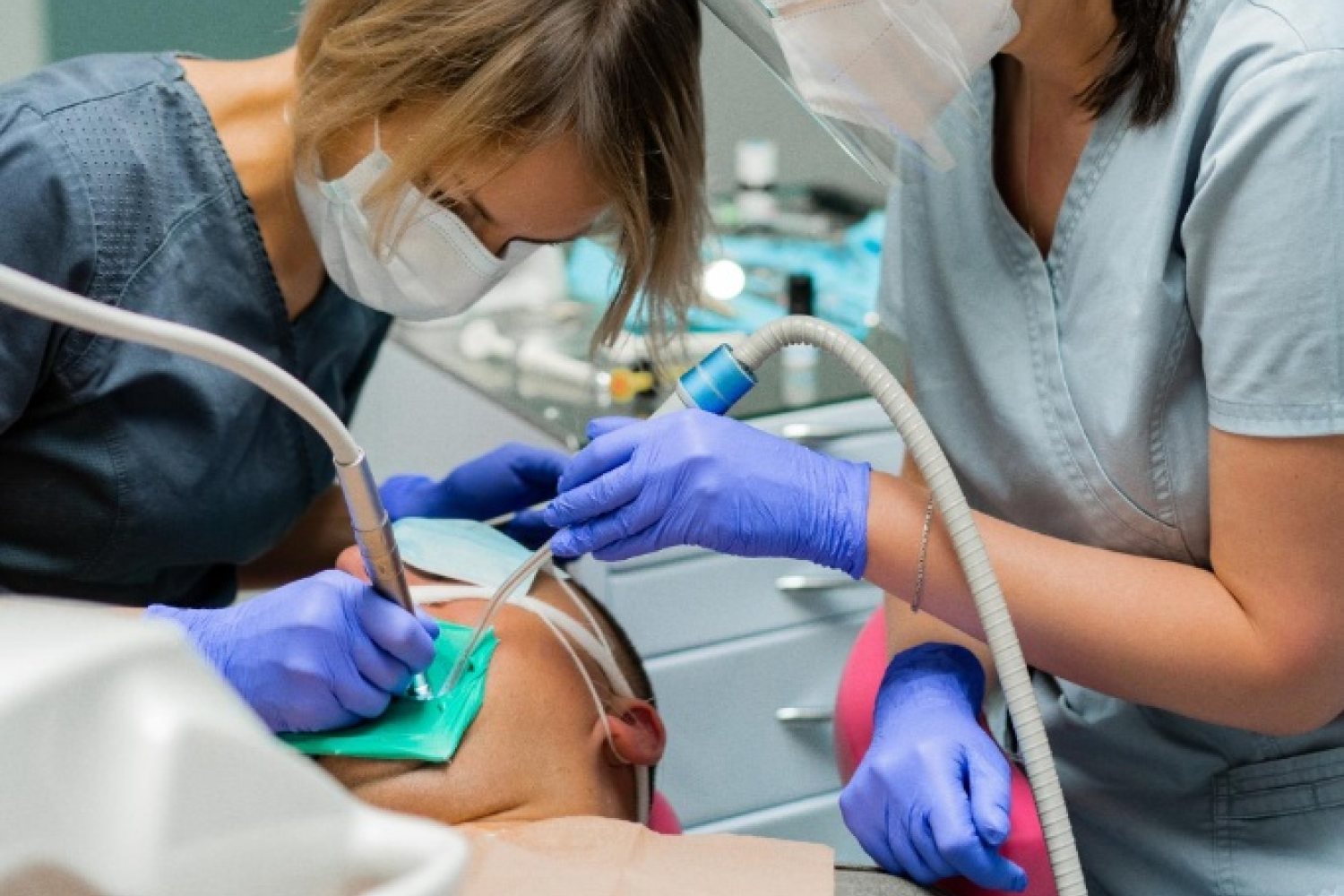
More and more patients are discovering just how relaxed and comfortable a dental visit can be with the right sedation option. It’s one of the most common things people ask us about, and honestly, one of our favorite topics to talk through!
There’s a surprising amount to explore once you start looking into it. The term “sleep dentistry” gets used a lot, but it can mean a few different things depending on the practice and the person. Let’s break it down.
Not All Sedation Is the Same
This is where a lot of the mix-up happens. “Nitrous oxide”, “sedation,” and “sleep dentistry” often get used as if they’re the same thing, but they describe different levels of comfort support.
- Nitrous oxide (“happy gas”) is a light, gentle option that helps you feel more at ease while you stay awake and can still chat with your dentist. Its effects wear off quickly once treatment is done.
- Oral or IV sedation offers a deeper sense of calm. You’ll usually stay conscious and able to respond, though you may remember very little afterwards.
- General anaesthesia is different again – it’s a carefully monitored state of unconsciousness, managed throughout by a qualified anaesthesia team.
Because every practice describes things a little differently, it’s always worth asking exactly what’s on offer before your appointment.
Who Tends to Find This Helpful?
There’s no single type of patient who considers sedation-it really comes down to your own comfort, treatment needs and preferences. It’s often worth a chat if:
- Visiting the dentist has felt like something to put off
- You have a sensitive gag reflex
- You’re planning more involved treatment across one or more visits
- Sitting still for longer appointments feels tricky
- An experience has made you want a different approach this time
If any of this sounds like you, mentioning it during your consultation is a great first step; our team genuinely welcomes the conversation.
What Happens on the Day
When general anaesthesia is the right fit, it’s delivered and monitored throughout by a qualified anaesthesia team, in a properly equipped clinical setting. Your dentist will walk you through what to expect before, during and after treatment, so there are no surprises.
General anaesthesia isn’t needed for routine check-ups or straightforward treatment; it’s simply one option among several, considered when it suits your situation.
Your Comfort and Care Come First
Ensuring your safety is our top priority. We’ll take the time to deeply understand your health background, including any medications, allergies, or past experiences with sedation. This thorough approach allows us to carefully account for conditions like sleep apnoea before choosing the right path for your care. This helps us work with you to find the most suitable approach for your visit. As with any medical treatment, there are things to consider, and we’re happy to talk these through with you openly.
Heading Home Afterwards
Recovery depends on how the patient opts for treatment to go ahead. Some require help getting home and staying under observation, so it’s important to plan your day accordingly in terms of driving and time off work. Rest assured, our team will let you know what recovery entails before you go home from your visit.
There’s More Than One Way Forward
Sedation or general anesthesia is an excellent choice for many patients but is definitely not the only way that they can have a comfortable experience. Some need nothing more than nitrous oxide, while others prefer a slow process along with the assurance that they can stop anytime they need to. Knowing this alone may change everything.
There’s no “better” option here, just the one that feels right for you, your treatment, and your comfort level.
Let’s Have a Chat
Whether you’ve been holding off on a visit or you’re just curious about your options, we’d love to talk it through with you. There’s nothing to feel awkward about, and you don’t have to figure it out alone.
Call Lifestyle Smiles dentist Brighton on 03 9593 1811 to arrange a consultation. We’ll listen to what matters to you, understand your individual needs, and explain the options that may be suitable at your own pace.