
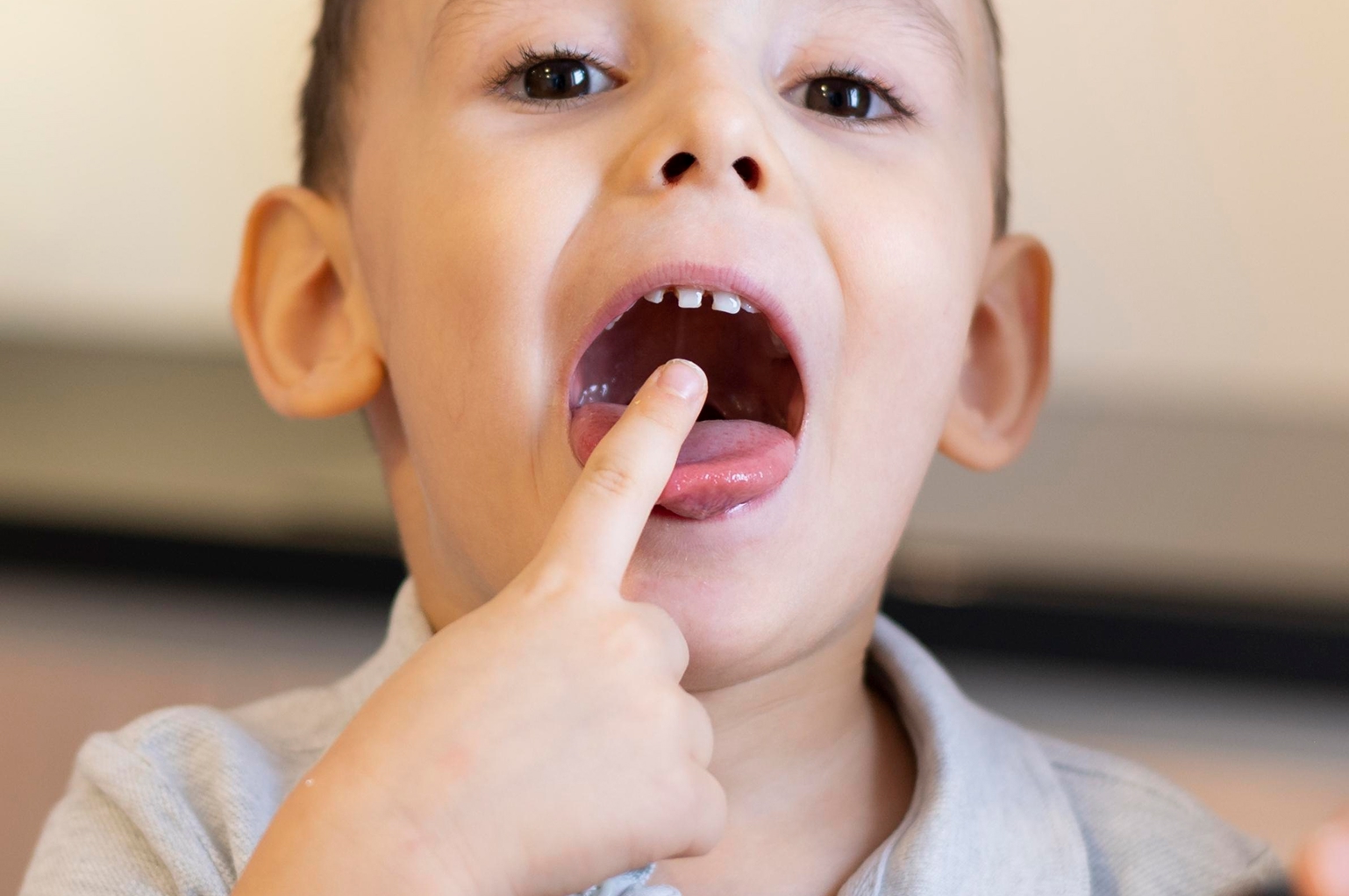
If you have observed your infant to be experiencing difficulties latching, or your toddler having trouble with some sounds as compared to his peers, then tongue-tie may very well be something you need to investigate. It’s a relatively frequent condition, but one that can cause some worry as a parent when you learn what it actually is.
What Is Tongue-Tie?
The condition known as ankyloglossia is referred to clinically as tongue-tie. In tongue-tie, the tissue under the tongue (lingual frenulum) is tighter, thicker, and shorter than normal. It limits tongue movement, which can have effects on feeding, speech, and dental health, among others.
This condition is present at birth and is not uncommon; however, it is very variable in its tightness. There are cases where the child with tongue-tie does not exhibit any problems, while other children may have problems with feeding within their first few weeks.
Signs to Look Out For in Babies
Every baby is different, and not every case of tongue-tie causes problems. That said, some signs parents and carers often mention include:
- Difficulty latching or staying latched during feeding
- Clicking sounds while feeding
- Slow weight gain
- Appearing unsettled or fussy at the breast or bottle
- For breastfeeding mums, nipple pain or damage that doesn’t improve with repositioning
If you’re noticing any of these, it’s worth raising it with your GP, maternal child health nurse, lactation consultant, or dentist. Feeding difficulties can have several causes, so a proper assessment helps identify what’s actually going on for your baby.
Signs to Look Out For in Toddlers
As children grow, tongue-tie can sometimes show up in different ways, including:
- Difficulty pronouncing certain sounds, particularly those needing the tongue to reach the roof of the mouth (like “t”, “d”, “l”, and “n”)
- Limited ability to stick the tongue out past the lower lip
- Trouble licking an ice cream or lollipop, or reaching food around the mouth
- The tongue looking heart-shaped or notched at the tip when extended
Not all speech difficulties are related to tongue-tie, and plenty of toddlers work through mild ties without intervention. A dental or speech pathology assessment can help clarify whether tongue movement is contributing to any concerns.
How Is Tongue-Tie Diagnosed?
Diagnosis generally involves a straightforward visual and functional assessment of the tongue’s range of movement, along with a discussion about feeding history or speech development. At our Brighton family practice, our approach is to look at the whole picture – how the tie may be affecting your child specifically, rather than assuming every tongue-tie needs the same treatment.
Treatment Options
Not every tongue-tie requires treatment. In many cases, mild ties don’t cause functional issues and simply get monitored over time. When a tie is affecting feeding, speech, or oral development, treatment options may include:
Watchful waiting — for mild cases with no significant functional impact, ongoing monitoring may be all that’s needed.
Frenectomy (frenotomy) — a procedure to release the tight tissue under the tongue, allowing for greater movement. This can be performed using a variety of techniques depending on the child’s age and the assessment findings. As with any dental procedure, outcomes vary between children, and your dentist can talk you through what to expect for your child’s specific situation.
Referral to allied health — depending on the concerns raised, we may also recommend involving a lactation consultant or speech pathologist as part of a broader plan.
Your dentist will discuss the options relevant to your child’s situation, including any risks or considerations, before recommending a course of action.
When Should You See a Dentist?
If you are worried about any issues regarding feeding, speech, or tongue movements at any point in time, it is better that you get an assessment done because waiting and hoping that it will resolve on its own is not going to help. This way, you will know what the best course of action would be.
Book a Children’s Dentist in Brighton
At Lifestyle Smiles, our team supports families through every stage of a child’s dental development, including assessments for tongue-tie. If you’d like to discuss your child’s feeding or speech concerns with our team, give us a call on 03 9593 1811 or fill in our enquiry form to book a consultation at our Brighton clinic.